

What I tell my clients.
If you’re here, it’s probably because your lights are flickering—and honestly, this is one of the most common calls I get.
As an electrician, I can tell you this:
sometimes it’s something simple… and sometimes it’s your electrical system trying to warn you.
Let me break it down for you the same way I explain it to my clients.
First question I always get: “Is this dangerous?”
My answer is always: it depends.
If it’s just one light, it could be a bulb.
But if multiple lights flicker—especially when appliances turn on—that’s something you don’t want to ignore.
I’ve seen cases where flickering lights were the first sign of:
- Loose connections
- Overloaded circuits
- Voltage issues
- Even panel problems
The Most Common Causes.
1. Loose Connections
This is very common.
A wire might not be properly tightened in a switch, outlet, or junction box.
What you notice:
Lights flicker randomly or change brightness.
What I recommend:
Have an electrician check it. Loose connections can get worse over time.
2. Wrong dimmer for LED lights
A lot of homes still have old dimmers.
What happens:
LED lights don’t work well with them, so they flicker or buzz.
Simple fix:
Replace with an LED-compatible dimmer.
3. Voltage fluctuations.
This is when things get more serious.
What you notice:
Lights flicker when the AC turns on, refrigerator starts, or other appliances kick in.
What’s happening:
Your system is struggling to keep voltage stable.
What I usually do:
- Check voltage levels
- Evaluate the panel
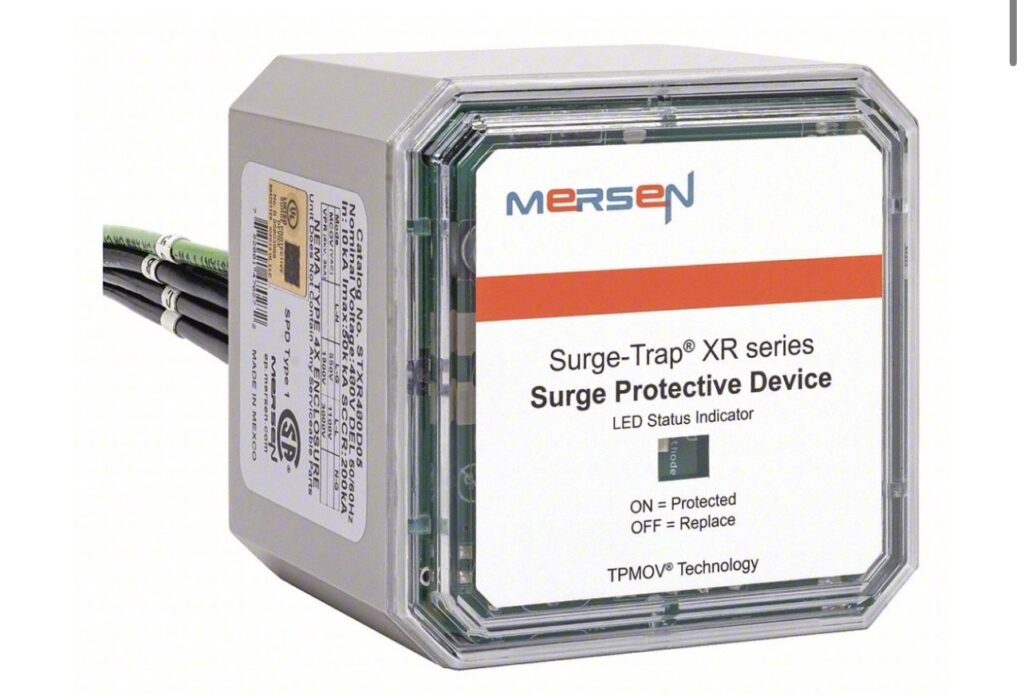
- Recommend surge protection if needed
4. Overloaded Circuits
I see this a lot in homes that have been remodeled.
What happens:
Too many things are connected to the same circuit.
Signs:
- Flickering lights
- Breakers tripping sometimes
Solution:
We separate loads and install dedicated circuits.
5. Cheap or Failing LED Bulbs
Not all LED bulbs are the same.
If only one light flickers, I always tell my clients:
Start by replacing the bulb.
A real situation I see all the Time
Tankless Water Heater = Flickering Lights
This one happens more than people think.
A client calls me and says:
“Hey, ever since the plumber installed my tankless water heater, my lights flicker every time I use hot water.”
And I already know what’s going on.
Here’s the Issue:
Tankless electric water heaters use a LOT of power.
If the electrical system wasn’t designed for it:
Voltage drops when it turns on Lights start flickering.
LED lights are very sensitive to voltage changes, so when something like a tankless water heater kicks on, it puts a heavy load on the system. That sudden demand can cause a small voltage drop, and that’s when you start seeing the lights flicker.
What Usually Went Wrong
- No dedicated circuits
- Panel doesn’t have enough capacity
- No proper load calculation was done
- Installation wasn’t coordinated with an electrician
How I Fix It
Depending on the house, I might:
- Install dedicated circuits for the unit
- Upgrade the electrical panel
- Separate lighting circuits
- Add surge protection
This is not something you want to ignore because it can affect your entire system.
💡 Anti-Flicker Devices for LED Lights
When it comes to LED lights, flickering is usually not the LED itself. It’s often caused by:
- Incompatible dimmers
- Voltage fluctuations
- High-demand appliances (like tankless water heaters)
- Low-quality LED drivers
For these situations, there are anti-flicker devices or LED drivers that can help reduce or eliminate flickering.
1. Anti-Flicker LED Drivers
- These replace the standard driver inside the LED light.
- They provide stable current, even if there are small voltage fluctuations.
- Very useful when using older or incompatible dimmers.
Example:
You installed LEDs in your kitchen with an old dimmer and the lights flicker. Installing an anti-flicker LED driver can solve the problem without changing the dimmer.
2. Anti-Flicker Adapters / Modules
- Small devices that connect between the LED bulb and the dimmer.
- Filter minor voltage changes and reduce flickering.
- Often used in retrofit installations where you don’t want to replace the dimmer or driver.
Important limitation:
- If the flickering is caused by a big voltage drop, such as when a tankless water heater turns on, these devices can help slightly but won’t fix it completely.
- The real solution is: dedicated circuits, balanced load, and panel upgrade if needed.
Other Things I Always Check
Neutral Wire Issues
This one can be serious.
If the neutral is loose or failing, it can cause uneven voltage in the house.
If I suspect this, I check it immediately.
Utility Power Problems
Sometimes the issue is not even inside your house.
I’ve had cases where the power company was the cause.
My Honest Recommendation
If your lights are flickering, don’t just live with it.
What I tell my clients is simple:
- Don’t assume it’s nothing
- Don’t wait until something burns out
- Get it checked early
A quick inspection can save you a lot of money and headaches later.
Final Thoughts
Flickering LED lights are common—but they’re not something to ignore.
Sometimes it’s a small fix.
Sometimes it’s your system asking for help.
Either way, the right approach is to find the real cause and fix it properly.
Need Help?
If you’re dealing with flickering lights, I’d be happy to take a look.
At Atomica Electrical Solutions LLC, we focus on doing things the right way—safe, clean, and up to code.
Reach out anytime.